
The diverse projects we work on are all based on the idea that inclusive dialogue and respect are critical for building trust and sustainable peace. In all our projects we aim at levelling the playing field, such that it reflects our diverse Liberian society. In doing so we build trust and legitimacy and strengthen social networks across social and political divides – all of which bring us closer to sustainable peace in Liberia and the region. Below you’ll find a selection illustrating our work.
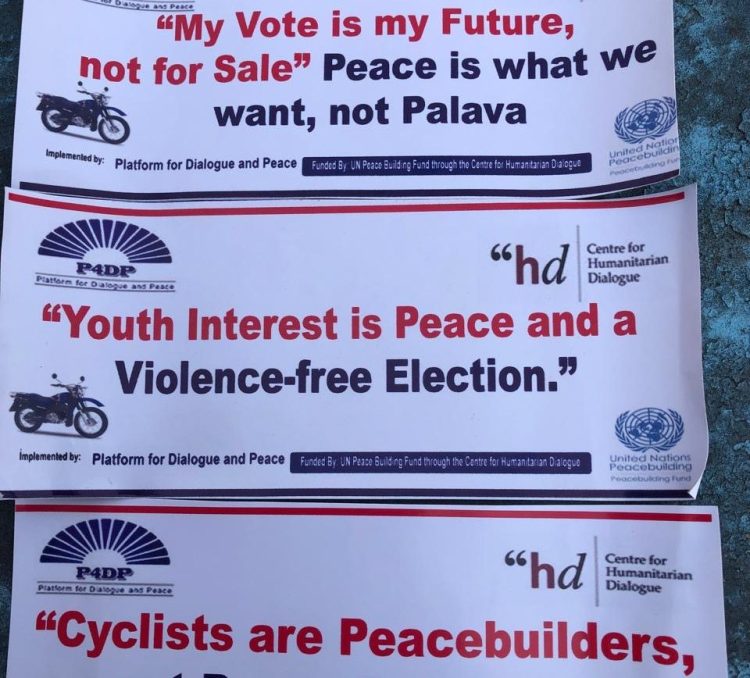
Motorcyclists Sticker Campaign Preventing Electoral Violence
Unscrupulous politicians often exploit motorcyclists to incite violence during elections. With support from the Centre for Humanitarian Dialogue, P4DP launched a project to ensure a peaceful 2023 election.
In Grand Gedeh and Sinoe Counties, 1,037 motorcyclists joined two campaigns distributing violence-free bumper stickers for bikes, homes, and vehicles. These stickers highlighted cyclists’ positive role in nation-building, countering their negative public image. The project also fostered community engagement by addressing peacebuilding, reconciliation, and economic empowerment.
Mano River Union Cross Border Project – ST. Andrews
Uni and P4DP
Liberia’s large youth population faces unemployment, drug addiction, illiteracy, and limited opportunities, making them vulnerable to exploitation. Recognizing their key role in development, P4DP and St. Andrews University launched “Motoring from War to Peace” in 2016 to support their reintegration. The project initially used counter-stigma stickers and dialogues between motorcyclists, police, and passengers.
Building on its success, the initiative expanded across the Mano River Basin (Liberia, Guinea, Sierra Leone, Côte d’Ivoire) to address youth challenges. A February 2023 seminar at RLJ Resort brought stakeholders together to discuss peacebuilding, social cohesion, and economic resilience. The project also fostered community dialogues in eight key border towns, historically prone to violence, trafficking, and organized crime, helping communities navigate cross-border challenges under the ECOWAS Protocol.
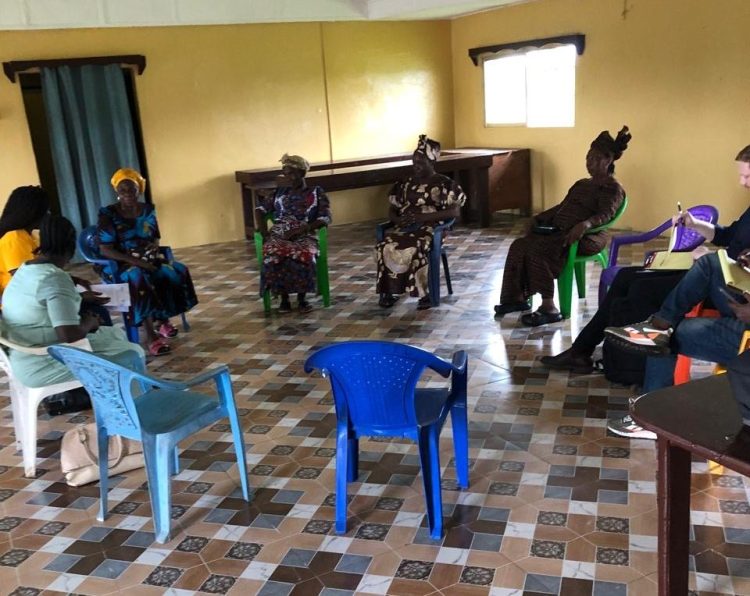
Strengthening Fragile States Through Taxation (FRAGTAX)
Liberia relies on external aid, but sustainable development requires a strong domestic revenue base for services, security, and justice. Key to this is funding social services, wealth redistribution, and government transparency.
Through the FRAGTAX project with NUPI, P4DP studied Liberia’s tax system, focusing on the LRA and the ‘50-50’ Local Government Property Tax scheme. The study found that the scheme’s success depends not just on revenue but also on how counties use funds for visible development. Transparent results are essential to building taxpayer trust, which remains a challenge.
Delivering Peace Dividends in Liberia (Peace Dividends)
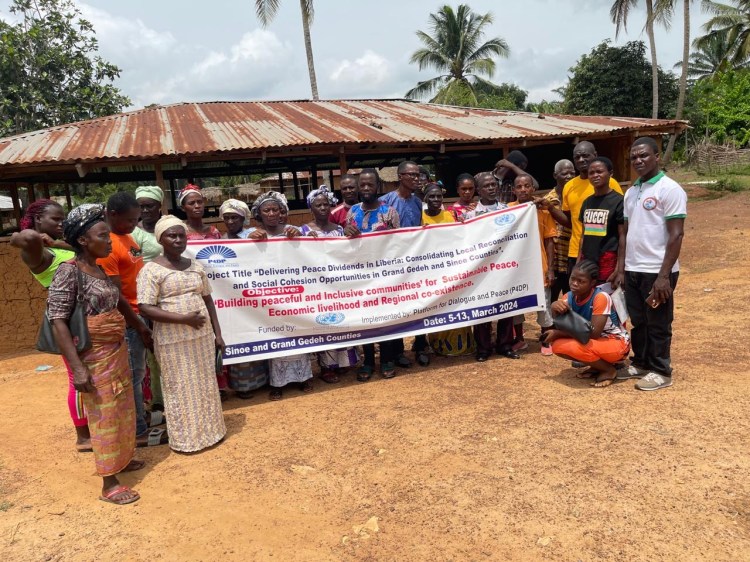
P4DP, supported by the UN Peacebuilding Fund through UNDP, implemented a project to promote reconciliation and social cohesion in Grand Gedeh and Sinoe Counties. Community Action Groups (CAGs) fostered dialogue between migrants and residents, reducing conflicts and enabling farming cooperatives.
In Sinoe County, initiatives like the Youth Peace and Learning Center (YPLC) and women’s livelihood projects addressed land tensions and stabilized communities. The solar-powered YPLC now serves as a study and trade hub, benefiting youth and women. Local leaders were trained in mediation and dispute resolution, enhancing harmony and fostering sustainable peace.
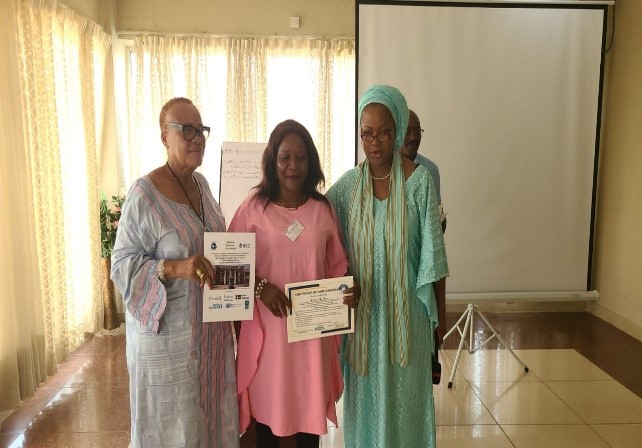
Platform for Women Empowerment and Next Level (PLAWOENEL)
Liberian women face ongoing social, economic, and political challenges despite progress toward SDG 5. To address this, P4DP launched the PLAWOENEL project with support from WPHF and UN Women. The initiative provided training, small grants, and Village Savings and Loan Association (VSLA) schemes to boost women’s advocacy, economic empowerment, and political participation. It also strengthened six women-led organizations and raised awareness about harmful norms and gender-based violence, fostering progress in women’s empowerment and representation.
Increasing Citizens’ Participation in Budget Cycle Processes
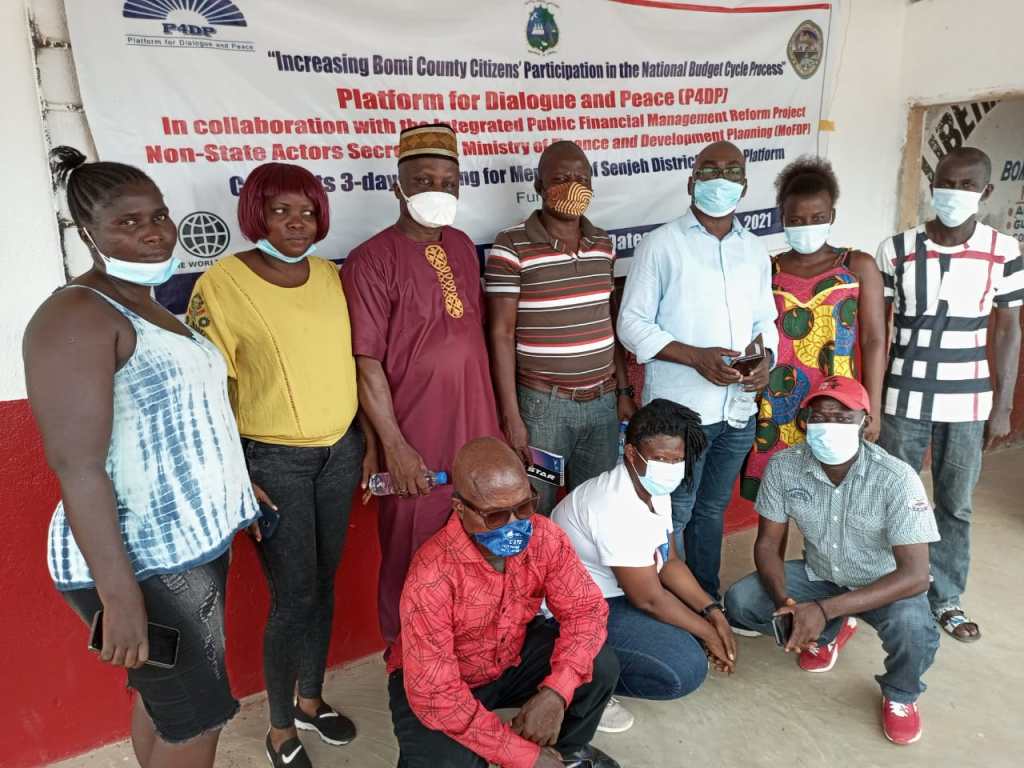
In 2021 Platform for Dialogue and Peace (P4DP) entered a 6-months agreement with the None-State Actors Secretariat of the Ministry of Finance and Development Planning (NSA-MoFDP) to work in Senjeh District, Bomi County on increasing citizens’ participation in the National Budget Cycle processes. Specifically, the agreement is to recruit, train and work with 5 local Community-based Organizations from Senjeh District, Bomi County to establish and operate locally-based budget cycle platform that will provide continuous information, support the conduct of analysis of budgetary allocations to the County, District and specific groups, as well as carry out the needed advocacy with both local and national leaders..
Addressing Health and Development Drivers Through Cross-Border Youth Engagement
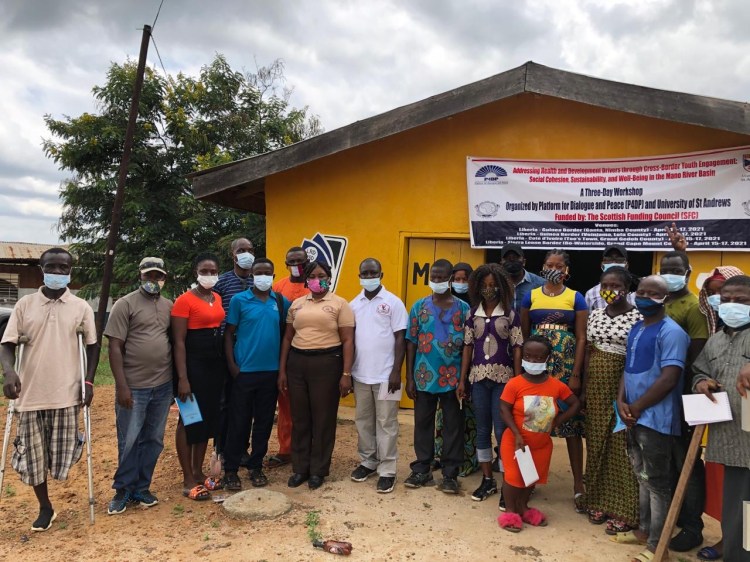
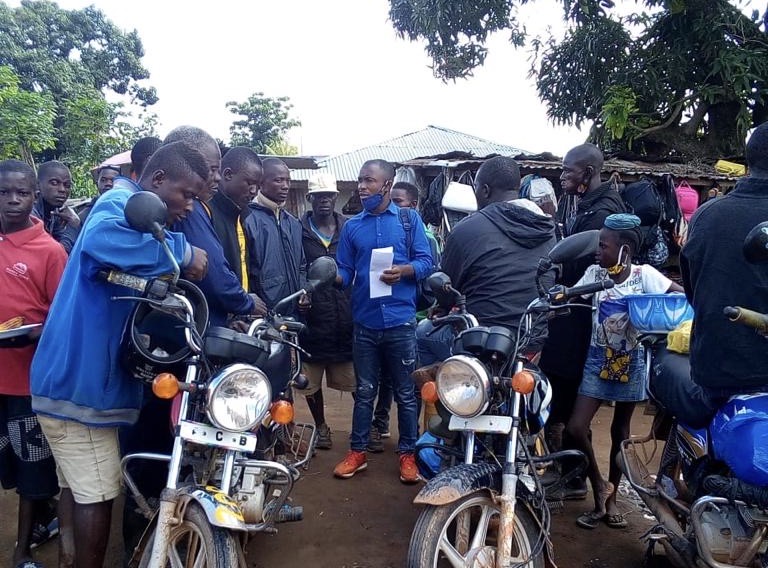
P4DP is working with the University of St. Andrews in the implementation of a cross-border dialogue and engagement to promote security, social cohesion, and well-being of residents in the Mano River Region. The project is aimed at addressing Health and Development Drivers through Cross-Border Youth Engagement: Social Cohesion, sustainability, and Well-Being in the Mano River Basin.
Motorcycling as Peacebuilding
Ex-combatant and conflict-affected youth make up the vast majority of Liberia’s 175,000 motorcycle taxi drivers. Motorcycling emerged after Liberia’s civil war as a critical economic sector. Through motorcycling, young riders establish themselves as active peacebuilding subjects, enacting their own ideas to counter the insecurity and marginalisation of post-war life. This ongoing, multi-year project by Jaremey McMullin (St. Andrews University) started in 2018 and draws from qualitative interviews, focus groups, and participant observation. P4DP has been the project’s primary Liberian partner through successive phases, and has facilitated pre-project scoping with Liberian youth and design and implementation of all impact generation activities.


Fostering National Reconciliation and Conflict Management
Joint UNOPS / Interpeace / P4DP program where P4DP managed a number of local CSOs (LDI, WANEP, IPC, PBRC, KAICT, FIND, WONGOSOL, IRCL). This intervention aimed to contribute to increasing positive social and political cohesion by creating better capacities in state and non-state actors to deal with conflict through collaborative action. The project focused on the development of spaces for inter-sectoral dialogue and action-oriented collaboration, and the instilment of abilities that, in society as well as in formal political structures, can strengthen the capacity to assess challenges, address tensions and resolve conflicts in non-violent ways. Find a more detailed description here.
Framework for Assessing Resilience (FAR)
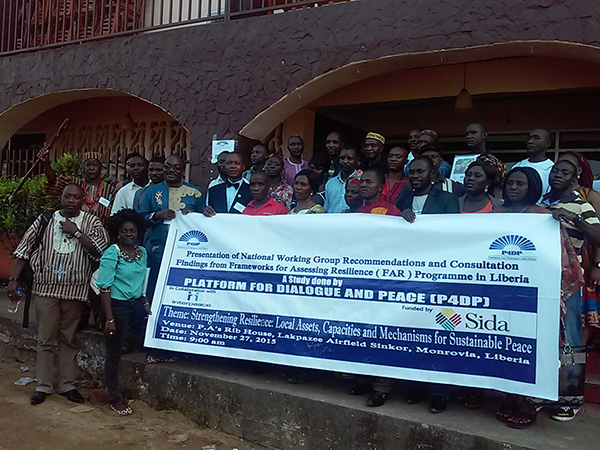
P4DP worked alongside Interpeace as part of the FAR program to document the strengths that Liberians possess. This is a key step towards understanding the strategies that exist within Liberian society to resolve conflicts peacefully. P4DP undertook eight months of intensive field research and engaged over 1,100 Liberians from all 15 counties and across all sectors of society. The findings were documented in a Country Note that served as the basis for the National Working Group, whose mandate was to develop strategies and policy recommendations to strengthen resilience by building upon factors identified in the consultation phase.
Mobile4Women
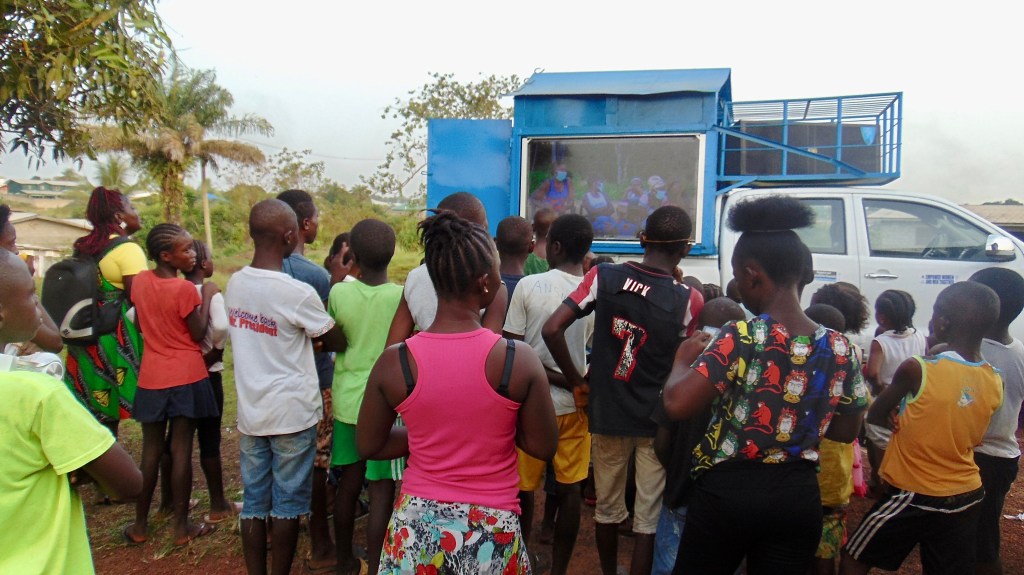
The Mobile4Women project intended to broaden the capacities of the beneficiary organisations in order to enhance participation in advocacy for the promotion of gender-sensitive human rights in Grand Bassa and Montserrado. The project was such a success, that participants described the training component as a vital platform that provided an opportunity to build their capacities on critical issues previously considered as ‘taboo’.
RULLAR
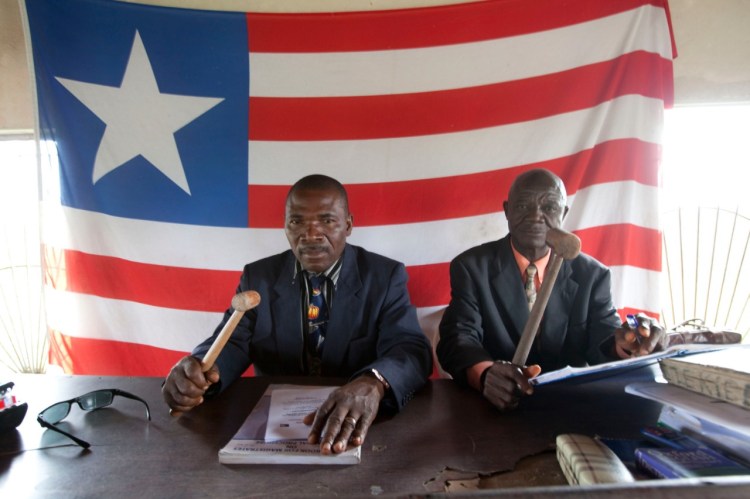
The “Rule by Law and Live by Rules’ (RULLAR) project was funded under UNDP‘s Joint Rule of Law Program by Sweden and Ireland. It aimed at increasing legal literacy, education and raising awareness on access to justice and security services amongst law enforcement personnel and local communities in Bomi, Grand Cape Mount and Montserrado Counties. In addition, ‘RULLAR’ seeks to help find ways to address the issues of lawlessness and violence that have permeated the Liberian society mainly perpetrated by young people.
Access to Justice
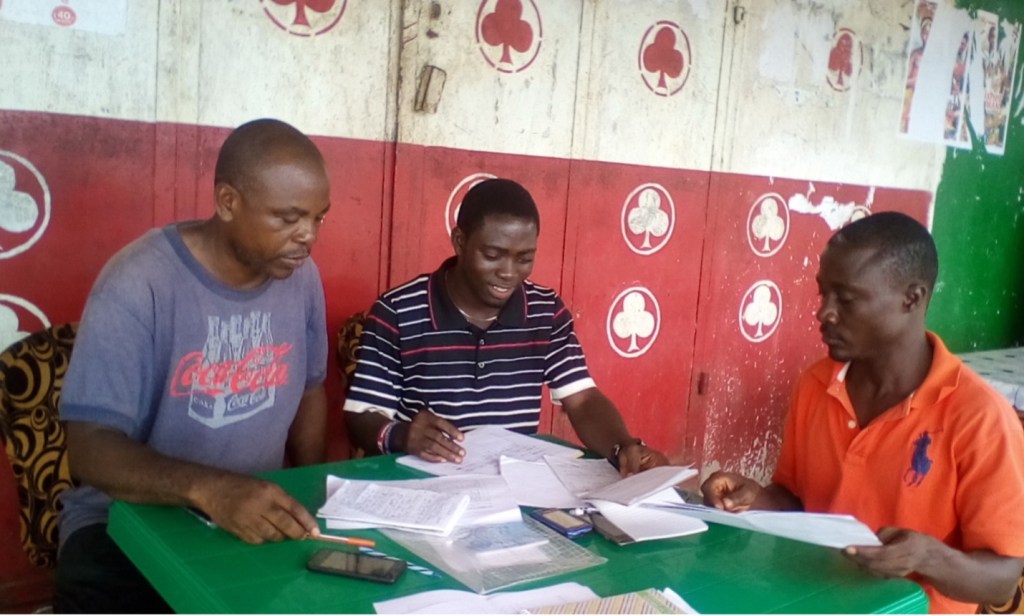
P4DP Conducted the final evaluation of the Carter Center Access to Justice Program in Liberia. Hundreds of household surveys, several focus group discussions and key informant interviews were held to contribute to the production of the final evaluation report. Find more info here.
NRM Consortium
P4DP led a USAID funded CSO Consortium on Natural Resource Management (NRM). The Liberia Accountability and Voice Initiative (LAVI) was a five-year USAID funded project administered by DAI Global, LLC to strengthen multi-stakeholder partnerships to advocate for and monitor policy and accountability reforms in Liberia.
Traditional Healers in Humanitarian Crises
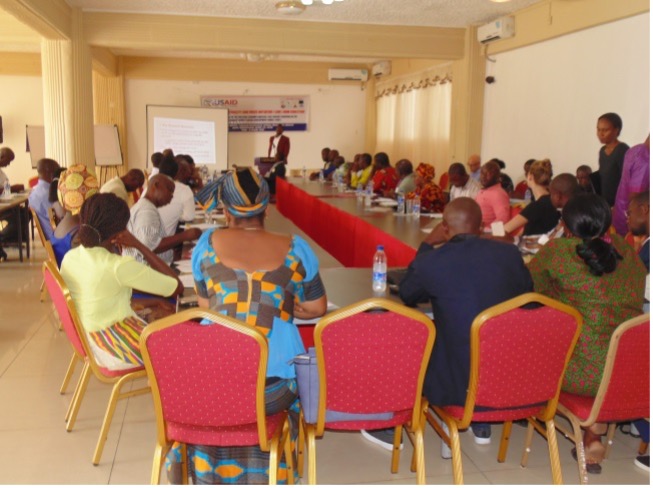
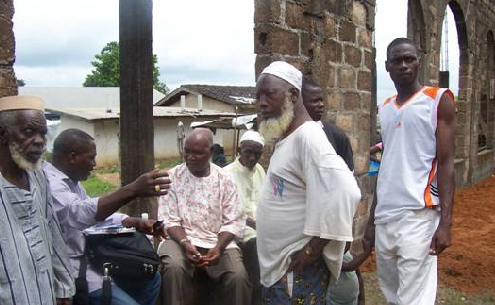
With financial support from Wellcome Trust and UK Aid, P4DP collaborated with R2HC for a study that explored the extent to which local populations relied on traditional healers. The study investigated how traditional healers perceived the Ebola virus disease (EVD) as well as their capacities to cope with it. The study also considered how this group of health providers could help strengthen the national health services in potential future outbreaks. It provided a nuanced understanding of alternative medicine and its public health potential.
Ethnic Reconciliation in Nimba County to Support Government of Liberia and the UN
Late in 2007 Interpeace received a request by the Liberian government through the Ministry of Internal Affairs and from the United Nations Mission in Liberia (UNMIL) to implement an emergency intervention, in support of their efforts to prevent the escalation of inter-ethnic tensions in Nimba County. A 6-month process was developed to facilitate the emergence of a consensus-based strategy for sustained and continued reconciliation in the County. The proposal was approved in December and implementation began on 1 February.
 Platform for Dialogue & Peace